World of Tanks 2.4: WZ-219 IRST Changes the Light Tank Meta
Wargaming just dropped its biggest update of the year, and this one actually lands differently.
World of Tanks 2.4: Overdrive went live on September 2, and if you've been watching high-tier lobbies lately, you already know why everyone's talking about it. Six new Tier XI vehicles across five nations. A brand-new German heavy tank line that changes how you think about ammunition management. And a light tank classification system that finally gives each of those glass cannons a real job description.
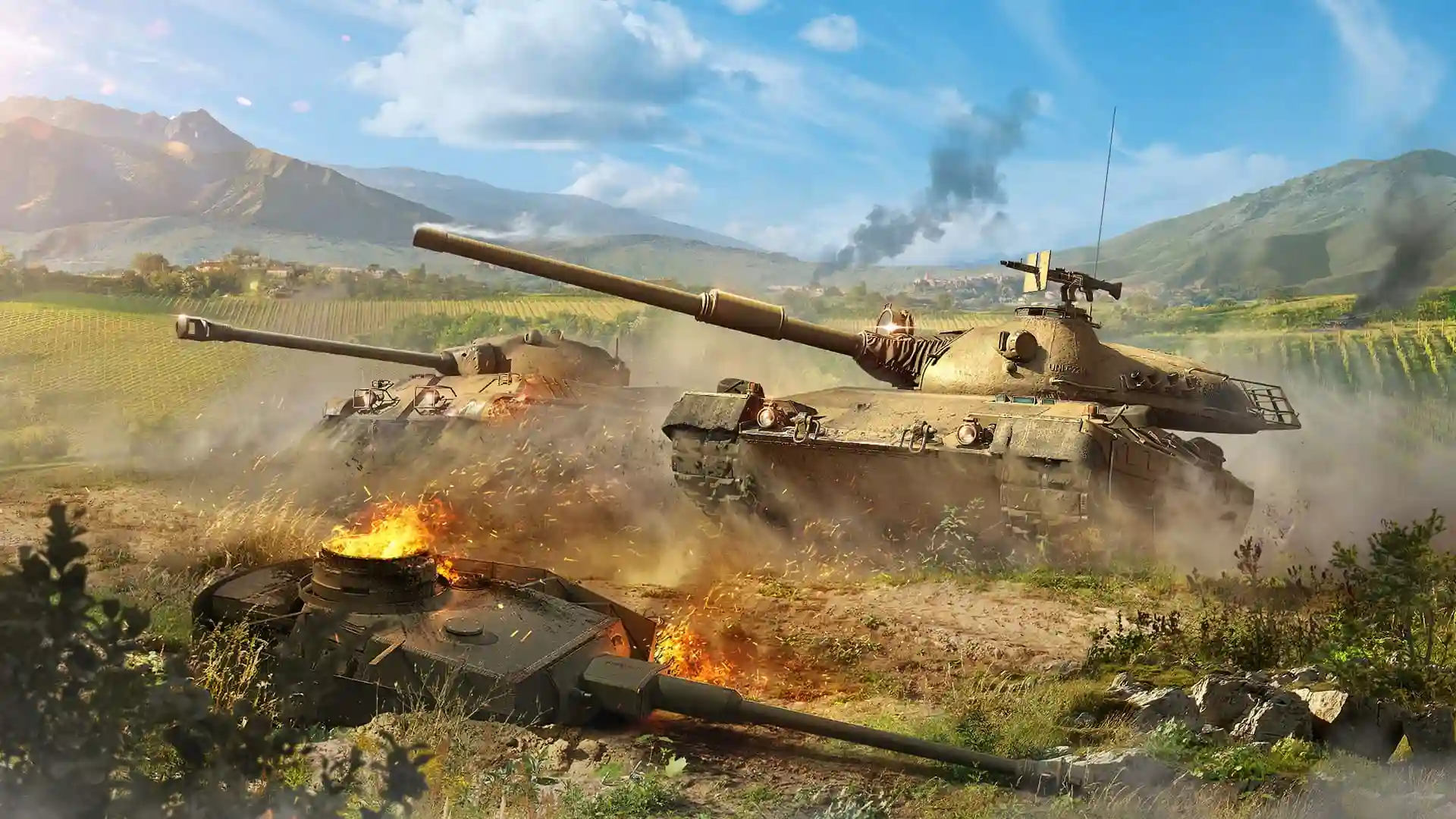
But the vehicle everybody keeps circling back to is the WZ-219. China's third Tier XI light tank, and the one that might quietly rewire how the entire recon meta works at the top end.
The IRST system changes everything
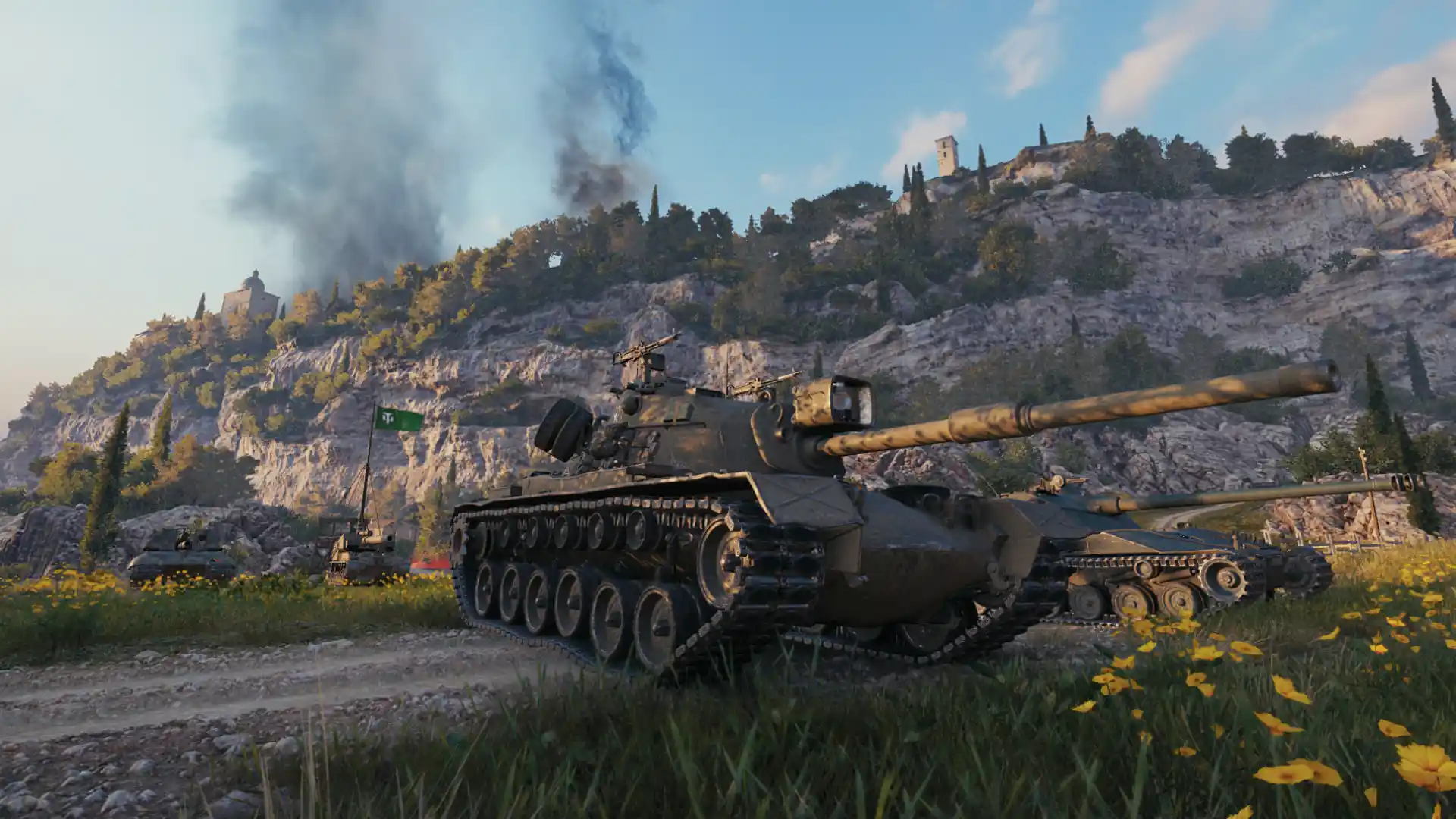
The WZ-219 researches out of the WZ-132-1, slotting in as the second Tier XI light in the Chinese tech tree. Its gimmick is an Infrared Search and Track system, which Wargaming calls just IRST.
Here's what it does. When you activate it, your tank starts sweeping a sector in front of you. The scan cone narrows as it runs. While it's active, enemy tanks inside that arc lose concealment, and your view range gets a meaningful bump. Even better, if the system locks onto a target, both sides see each other's spotting icon at the same time. Keep it running and you'll both be fully spotted. Stop it manually before that point, and you've got information without the full penalty.
Think of it like this. Traditional light tank spotting is like flipping on a flashlight in a dark room. You know someone's there, maybe which general direction, but you can't make out details. The IRST is more like putting an infrared filter on that flashlight. Whoever's hiding behind the bush starts showing up on your screen while they're still trying to stay invisible.
There's a catch though. The moment you successfully spot an enemy with IRST, you become permanently visible to them for a stretch. It's mutual assured detection. You give up your own stealth to buy the team intel.
The real brilliance, the part old commanders will appreciate immediately, is that the system tells you whether anything is in the scan zone even if it doesn't fully reveal the target. Just knowing an enemy is sitting in that particular brush on Prokhorovka Lane 1 changes how you play the rest of the match. That single piece of information is worth more than most people realize at Tier XI.
In the 2.4 classification system, light tanks now fall into three buckets: Scout, Versatile, and Support. The WZ-219 lands squarely in Versatile. It brings legitimate recon tools and a gun that actually hurts, which means it doesn't have to sit in a patch of grass waiting for permission to contribute.
The numbers back up the gimmick
If the IRST were the only interesting thing about the WZ-219, it would be a novelty. But the gun metrics are legit too.
With full mods installed, the WZ-219 sits at 420 damage per shot across all three shell types, 255 millimeters of penetration on APCR, and 290 millimeters on its HEAT premium round. Eight degrees of gun depression. That last number is the one that catches people off guard. Eight degrees on a light tank is not normal. It's medium tank territory.
DPM tops out around 3,600 once everything's optimized. The power-to-weight ratio clocks in near 40 horsepower per ton, top speed hits 71 kilometers per hour, and turret traverse runs 53 degrees per second.
Twenty-nine-zero millimeter penetration on HEAT plus eight degrees of depression means this thing can shoot over ridge lines and still punish anyone foolish enough to hull-down behind them. The 420 average damage per shot also means that after you spot someone with IRST, you don't need to call in your teammates to finish the job. You can put two or three rounds through their armor yourself and walk away. That "spot and finish" loop is what makes the Versatile classification feel earned rather than decorative.
You can also drive around with IRST active, which opens up plays that weren't really viable before. Rolling toward contested ground with the scanner running lets you sweep out ambush positions without committing to a risky advance.
The other five new Tier XI entries
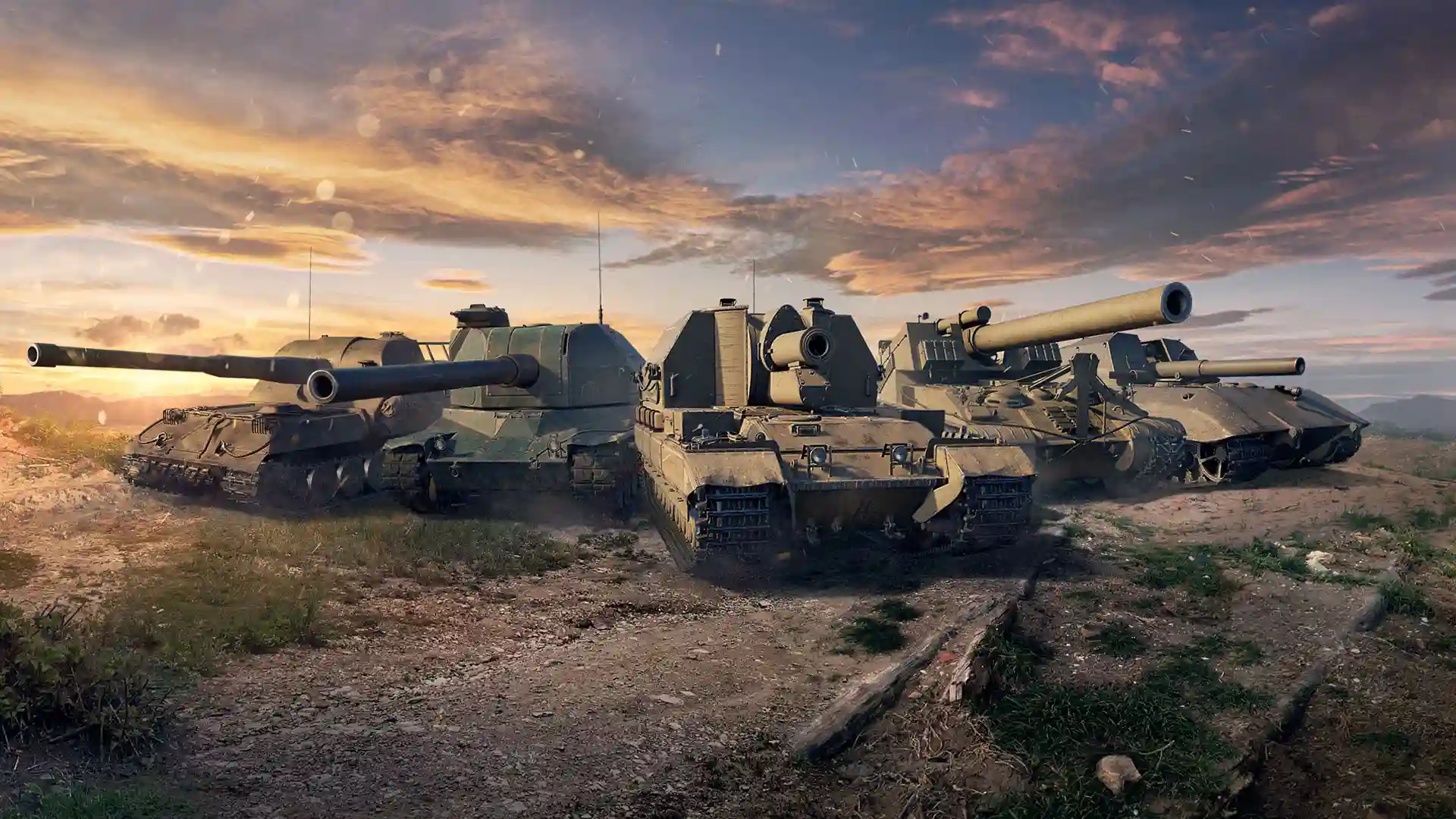
The WZ-219 gets most of the attention, but the other five additions each bring something distinct to the table.
Vz. 63P (Czechoslovakia) picks up where the Vz. 55 left off, carrying forward that twin-shell loader mechanic. Its Adjustable Fuze Setter lets you tune the second round based on what happened to the first. First shot penetrated? The second one deals 600 damage. First shot bounced or didn't penetrate deeply enough? The second shell gains 10 percent more penetration. Either outcome pushes the math in your favor. It's a high-floor mechanic that rewards reading your shots rather than memorizing armor values.
**BV-111 (Sweden)**researches out of the UDES 15/16 and brings a Foreign Ammunition Feed mode. Activate it and single-shot damage jumps to 560. The trade-off is real. Reload times slow down and mobility drops noticeably. You're choosing between consistent throughput and occasional burst damage that can punish a vulnerable flank.
CAV 71 (Italy) follows the Progetto M40 mod. 65 and carries forward the four-shell autoloader. Its Forced Loading Mechanism cuts individual shell reloads to a short fixed time, and it uses charges that replenish over the match. More charges refills faster when your bin is full. It smooths out the worst of the autoloader dice roller problem without turning the tank into a straight-line DPS machine.
Ho-Ri Shugo (Japan) is the successor to Ho-Ri 3 and brings a Coaxial Rocket Launcher mounted in the gun mantlet. One unguided rocket per activation, high damage potential, guaranteed minimum damage floor, but low penetration. It functions more like a secondary HE launcher than a primary weapon, useful for finishing weakened targets or punishing grouped-up enemies.
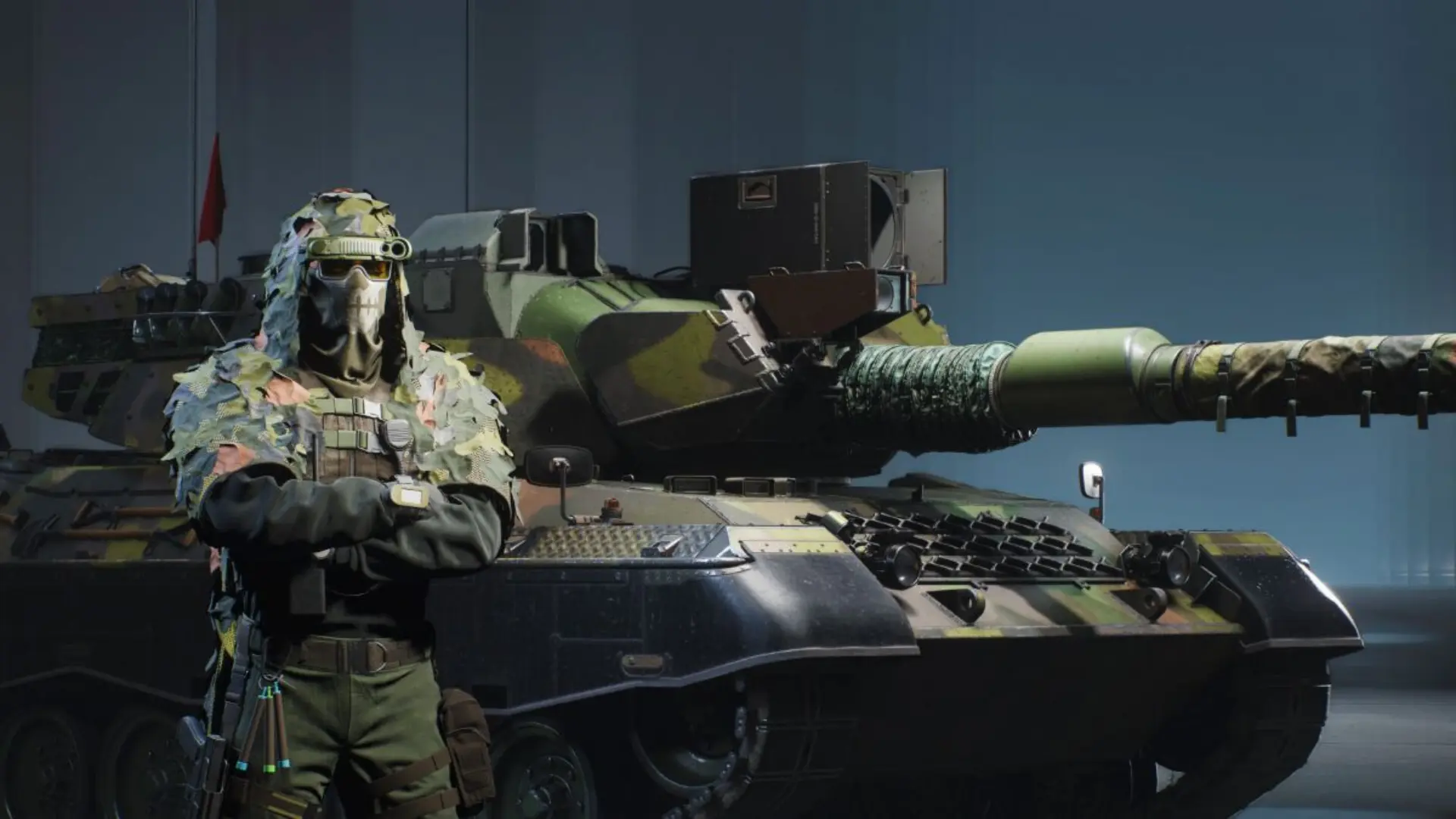
Pz.Kpfw. Neu (Germany) closes out the new German heavy line starting at Tier VIII with the Pz.Kpfw. 55. The entire branch shares the Shell Calibration System, which lets you adjust shell parameters mid-engagement without swapping ammunition types. For AP and APCR rounds, calibration improves normalization and ricochet angles, helping against sharply angled armor at the cost of raw damage. HEAT rounds get reduced penetration loss after hitting screens and spaced armor. It's a situational tool rather than a free power boost, which means every engagement gets an extra decision layer.
The light tank meta just got real
The classification overhaul is probably the structural change that matters most, even though it doesn't get as much press as the new vehicles.
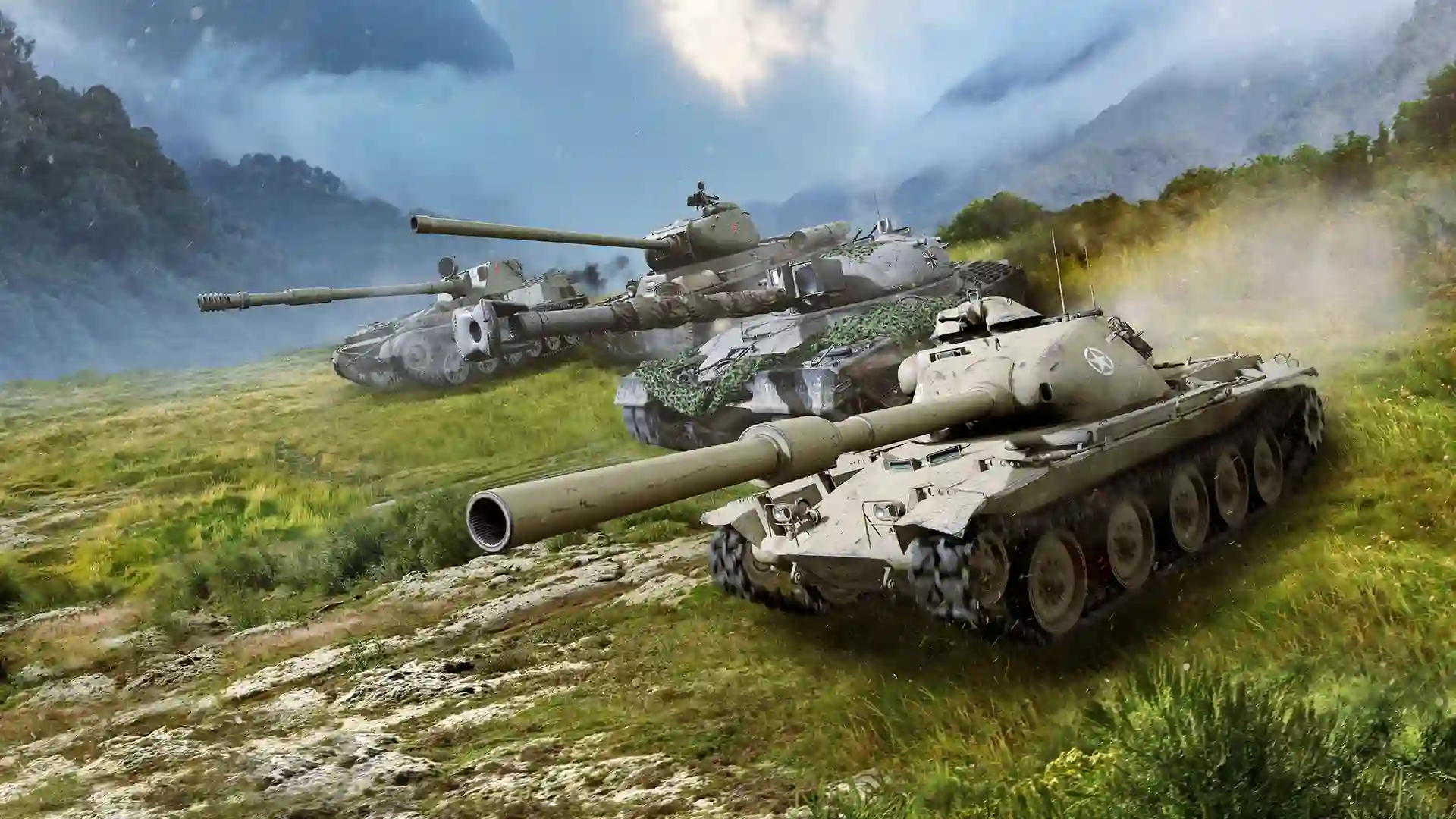
Light tanks used to all look the same in the matchmaker's eyes. Now Scout, Versatile, and Support get treated as distinct roles, and Tier VII and above battles are capped at two light tanks per team. The intent is clear. You should be matching recon against recon and support against support, instead of dropping two glass cannons into a lobby where neither side has adequate vision coverage.
Thirty-three light tanks received balance adjustments alongside the new system. The goal wasn't to make every light tank equally good. It was to make each one actually good at what it's supposed to do. A dedicated Scout should excel at hiding and finding things. A Support light should be willing to trade concealment for punch. A Versatile vehicle like the WZ-219 occupies the middle ground, useful in almost any situation but nowhere near the absolute best at any single thing.
That last point is important. The Versatile label doesn't mean the WZ-219 replaces your dedicated Scouts. It means it fills gaps when your Scout line gets pinned down or when you need someone who can contribute damage while still contributing information.
What I'm watching
The IRST system is genuinely interesting because it forces a calculation that no other light tank requires. You're trading your own visibility for information your team can use. That's a different kind of risk than "hide here until the enemy reveals themselves," and it changes how you approach opening plays on maps like Prokhorovka or Sand River.
The system has limits though. The scan cone narrows over time, there's a cooldown between activations, and running it blindly can expose you to enemies you didn't know were looking back. Timing and angle selection matter a lot more than simply pressing a button and hoping for the best.
The German heavy line is another project worth tracking. Shell Calibration adds a layer of tactical depth that the game hasn't really offered at the top tier before. Whether it tips the heavy tank meta toward more adaptive play or just gives grinders another spreadsheet to manage is still an open question.
This update feels like Wargaming is taking the long view. Six new Tier XI vehicles, a reclassification system, matchmaking changes, visual and audio overhauls, and a competitive Onslaught season all landing in the same patch. That's a lot of moving parts, and some of them will land well while others need tuning. The first micropatch is always the real test.
I'm curious which of these changes you think will stick around long-term. The IRST system alone feels like it could reshape how people play light tanks at the top end, but I've been wrong about meta shifts before.
What's the one thing you want to see Wargaming nail in the next patch?