PS6 Handheld Leak: AMD Portable Targets 2027
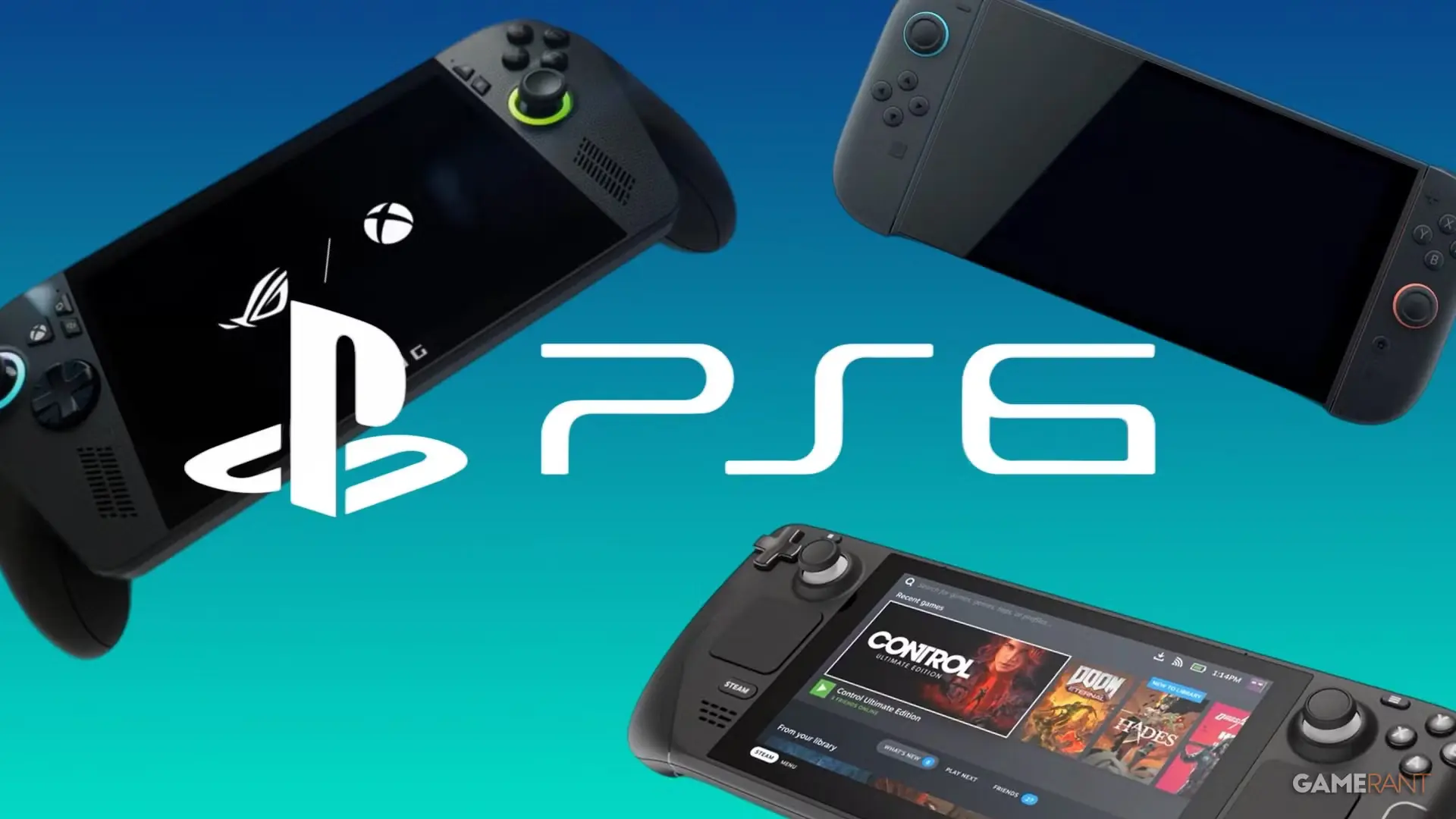
Everything we (think we) know about Sony’s rumored “Canis” portable—and how it could launch alongside the PS6 (“Orion”).
Overview
Multiple outlets and hardware leakers are reporting that Sony is preparing a native-play PlayStation handheld—not a streaming accessory like PS Portal—to debut around the same time as the next-gen PS6. The device is widely referenced by the codename “Canis”, while the home console is tipped as “Orion”. The core storyline: an AMD semi-custom SoC using Zen 6 CPU and RDNA 5 GPU technology, a dockable design that boosts clocks when connected to a display, and a development push aimed at keeping 60 fps even under lower power and resolution profiles. All details remain unconfirmed and should be treated as informed rumors until Sony speaks.

What “Canis” Reportedly Is
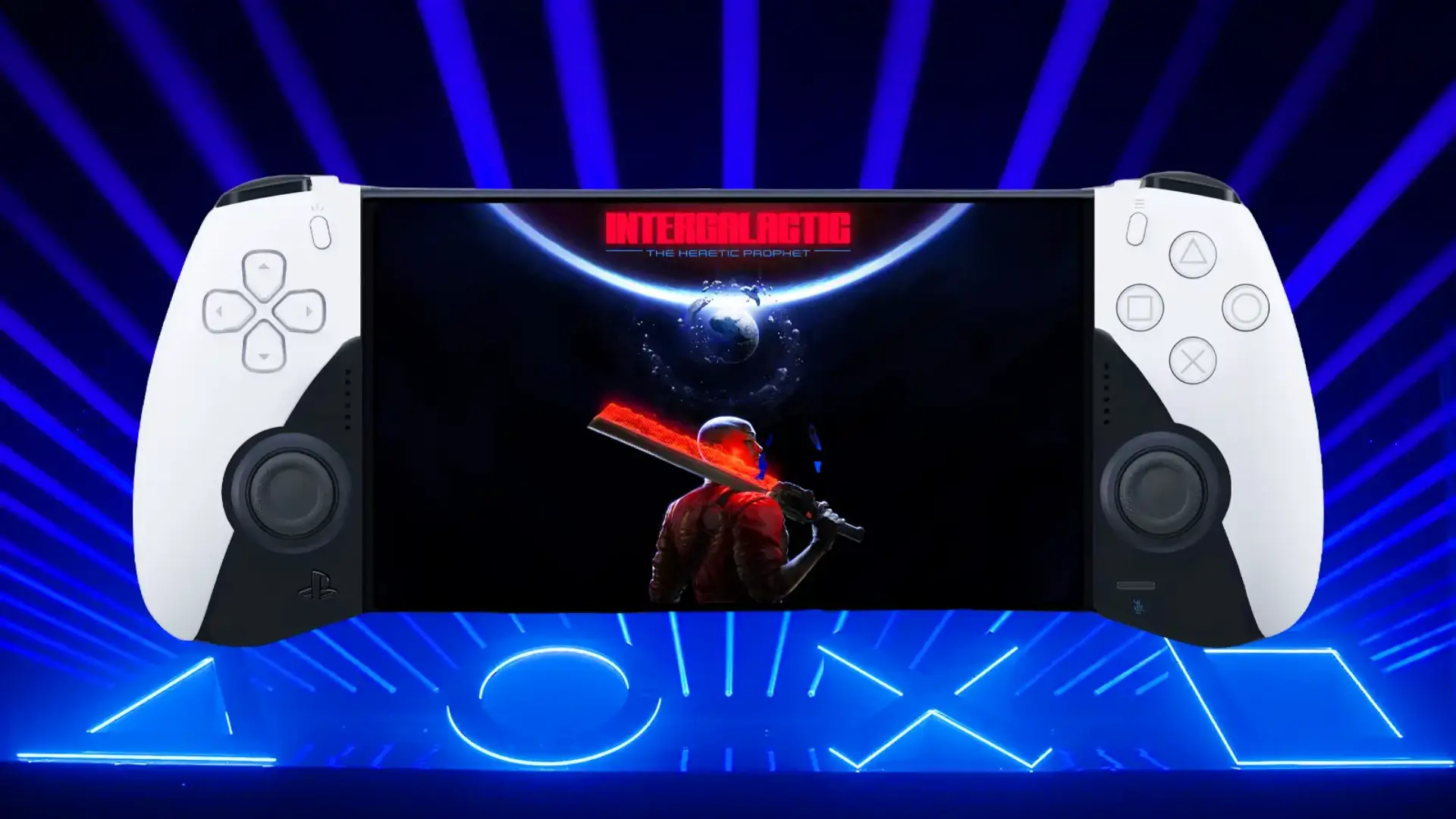
According to reporting and leak roundups, Sony’s handheld is designed for native gameplay with USB-C video out for a “plug into TV, boost performance” experience—closer to a modern Switch-style workflow than a remote-play viewer. In handheld mode, GPU clocks scale down for heat and battery, while docked mode targets higher frequencies. That “two-profile” behavior aligns with how modern portable PCs and hybrid consoles operate.
Leaked Core Specs at a Glance
Specs vary by source, but the most consistent picture looks like this:
| Component | Rumored Detail | Notes |
|---|---|---|
| CPU | Up to 4 Zen 6c high-performance cores + additional low-power cores for background/system tasks | “Big-little” arrangement reportedly helps hold 60 fps at reduced resolution/power. |
| GPU | RDNA 5, ~12–20 Compute Units (some leaks say 16 CUs “settled”) | CU count and clocks vary by leak; dock boosts GPU frequency. |
| Memory | 16 GB LPDDR5X | High bandwidth for a portable; exact speed bins differ by report. |
| Storage | microSD and possibly M.2 support | Expandable storage is frequently mentioned but not confirmed. |
| Display | Touchscreen (size/resolution TBD) | Touch input is widely assumed for UI and portable play. |
| I/O | USB-C video out, dual mics | USB-C dock reportedly lifts clocks for “console” mode. |
| Power Target | ~15 W TBP (handheld mode) | Thermals/battery life dictate conservative sustained power. |
| Compatibility Goal | Run PS4/PS5 titles natively (with low-power profiles) | Back-compat is a key selling point if Sony can hit perf/efficiency. |
On the home-console side, Orion leaks suggest a substantially bigger APU with more compute, advanced ray tracing, and a next-gen memory subsystem—again, all rumors.
Why Developers Are Reportedly Being Nudged to Support “Low Power” + 60 fps
Multiple writeups cite Moore’s Law Is Dead (MLID) claiming Sony has circulated documentation and emails asking studios to embrace a PS5 “Power Saver”/Low-Power mode that focuses on lower resolution, reduced CPU load, but holding 60 fps. If true, that request reads like a Trojan-horse compatibility profile for a handheld that can’t match PS5 power but could still deliver smooth gameplay by dialing back pixels and CPU-heavy simulation.
Notebookcheck and PlayStation Universe both recapped this angle, noting the idea isn’t to tank frame rate but to prioritize frame pacing with toned-down visuals—exactly the tradeoff handheld silicon makes to hit performance and battery targets. As always, treat these as leaks until Sony publishes official developer guidelines.
When Would It Launch—and for How Much?
Most sources cluster around a 2027 window for PS6 and the portable, with mid-2027 production ramp talk and a fall 2027 retail target frequently repeated in leak coverage. Price talk ranges from $399–$499 for the handheld, depending on final silicon, storage, and display choices. Temper expectations: portable BOM (battery, display, cooling) and a custom APU can push costs quickly; hitting $399 might require tough compromises or subsidies.
How a PS6 Handheld Would Differ from PS Portal and PC Handhelds
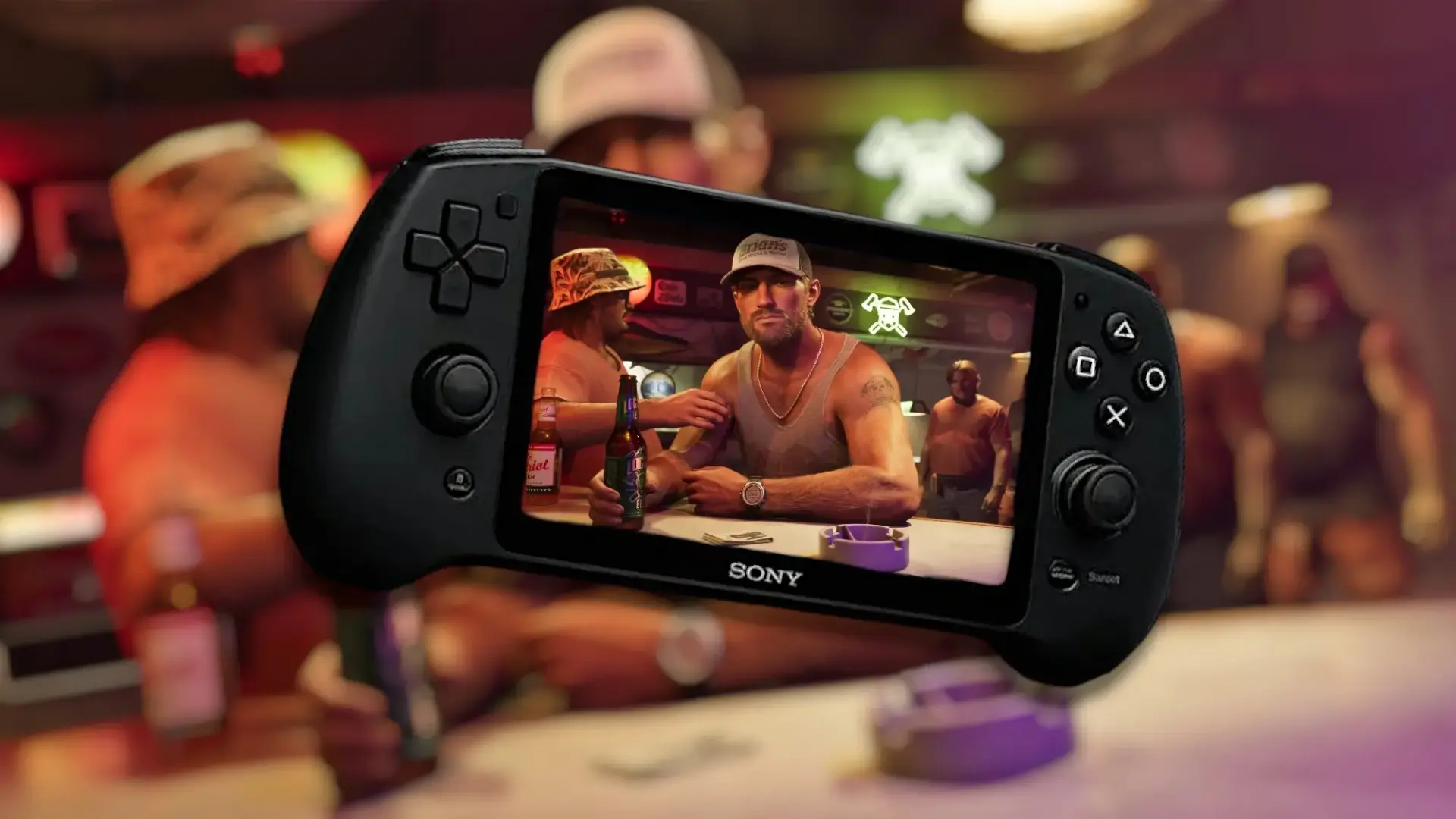
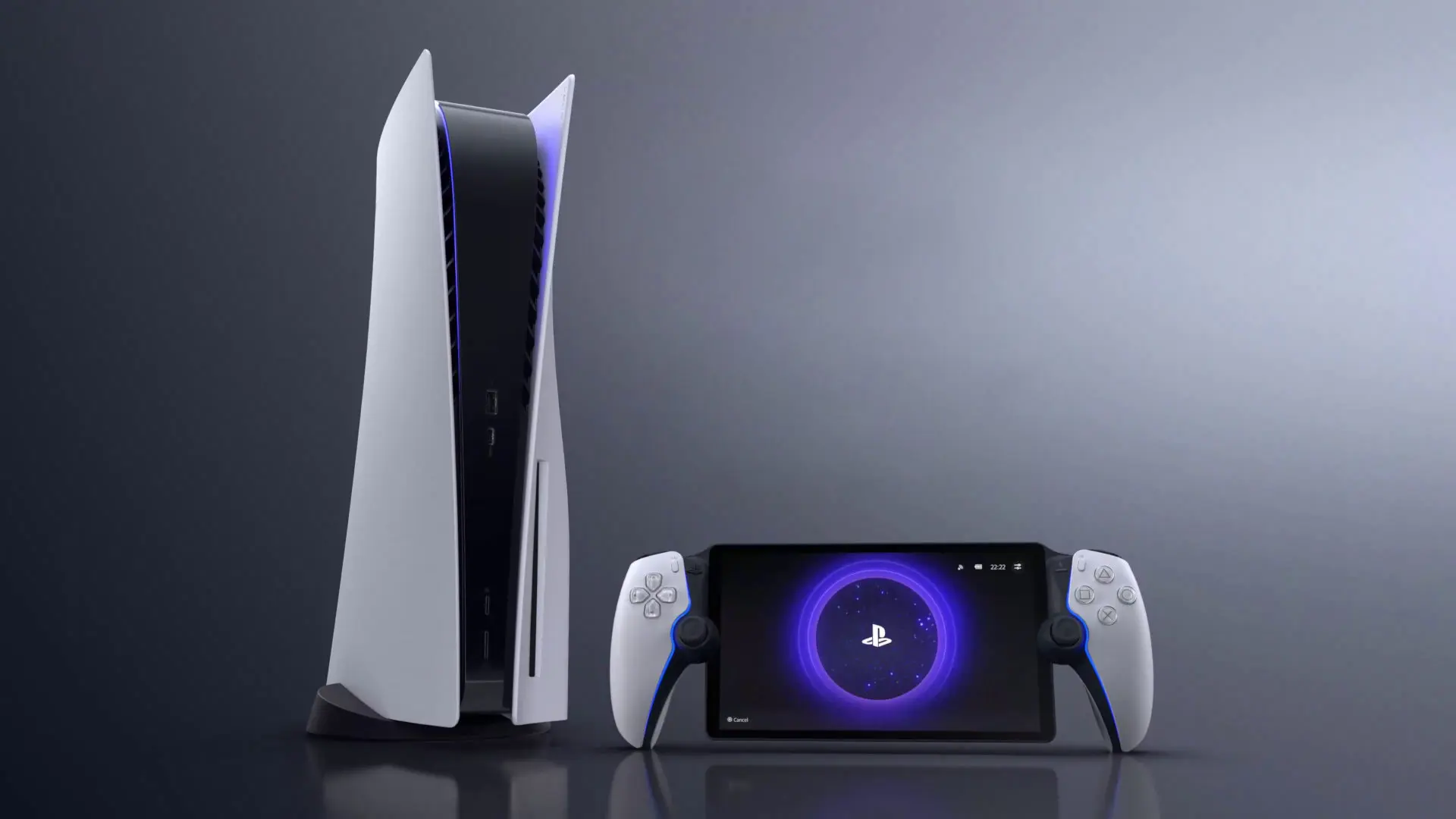
- Native vs. Streaming: PS Portal streams from a PS5; Canis is rumored to run games locally with optional docked play. That puts it in the ring with ROG Ally, Legion Go, and Steam Deck—except with Sony’s first-party ecosystem and console-grade APIs.
- Performance Targets: Reports point to a design that seeks consistent 60 fps via dynamic resolution and power profiles, rather than chasing high-end raster at portable wattages. That’s a different philosophy than many Windows handhelds that flirt with PC settings menus.
- Dock Behavior: USB-C video out plus clock boosts in dock mode could echo Nintendo’s hybrid model, but with a modern AMD GPU and Sony SDKs—potentially cleaner for developers targeting a fixed platform.
Why AMD Again?
Every credible leak points to AMD semi-custom silicon for both Orion (PS6) and Canis, continuing a PlayStation tradition from PS4/PS5. Zen-class CPU cores bring x86 compatibility and toolchain familiarity, while RDNA GPUs offer modern ray tracing and upscaling hooks. Reports also suggest AMD is lined up to power the next Xbox and Sony’s handheld, keeping the console duopoly on broadly similar CPU/GPU IP—good news for third-party studios.
Back-Compat and the 60-fps Mandate
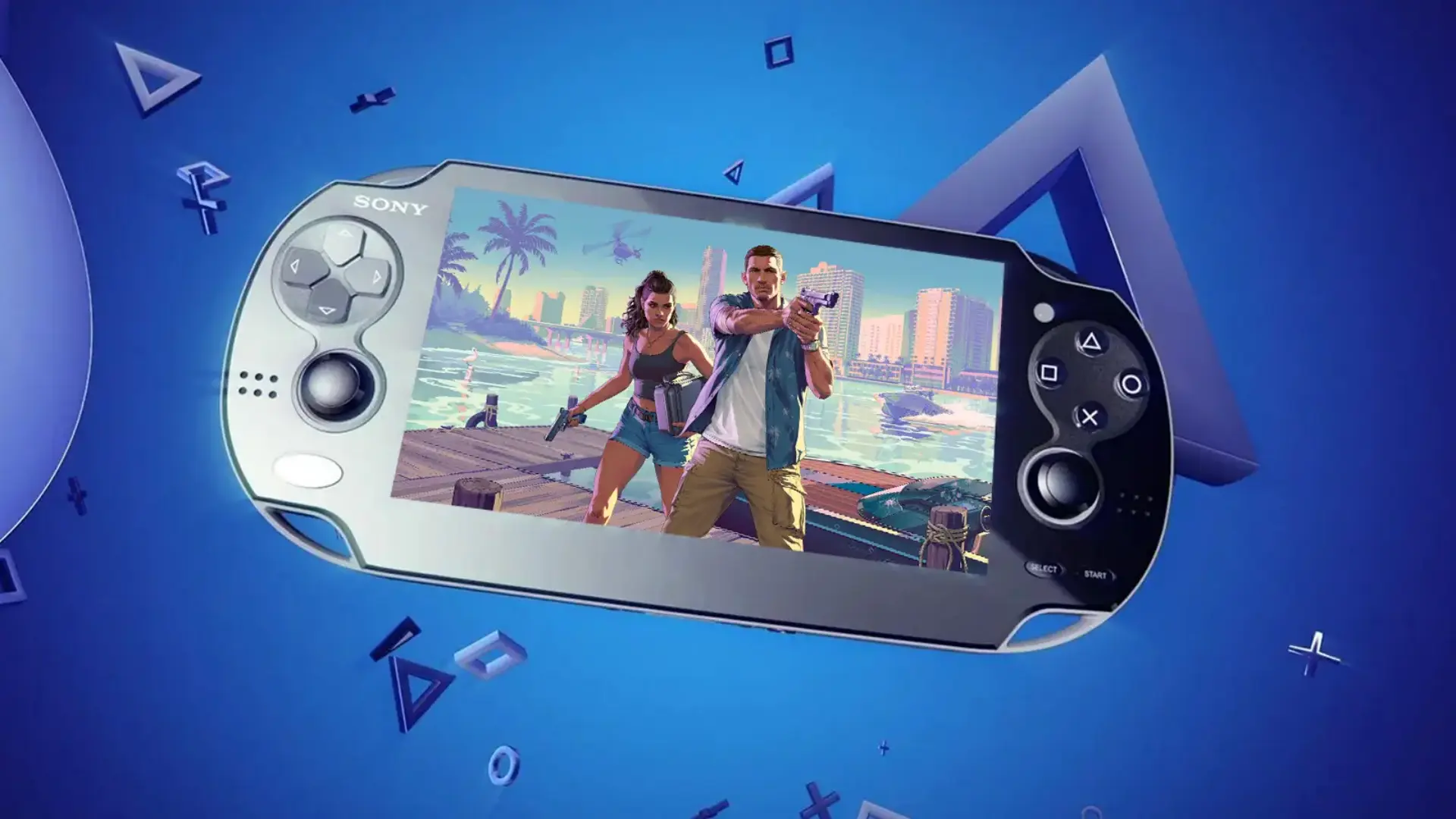
If Canis can load PS4/PS5 titles natively, the critical success factor won’t be raw TFLOPs; it will be how well Sony and developers curate “low-power” profiles (resolution caps, CPU budget limits, smart upscaling) without breaking gameplay. The leaks’ emphasis on maintaining 60 fps suggests Sony wants motion clarity to survive the transition, leaning on dynamic resolution and reconstruction to do the heavy lifting.
Rumor Caveats (Read Before You Hype)
- Source quality varies: The most detailed claims originate with Moore’s Law Is Dead and subsequent roundups by enthusiast press. Treat specifics—core counts, CU counts, clocks, even codenames—with caution until dev kits or Sony docs surface.
- Specs move in development: APU configurations, memory speeds, and thermal budgets change as yields and costs evolve. Early “16 CU” chatter could become 12–20 in shipping devices depending on binning.
- Timelines slip: Even if 2027 is the internal goal, supply chain, cost, and software readiness can shift launch windows.
Quick FAQ
Will the PS6 handheld just stream?
Leaks say native play is the point; PS Portal already covers streaming. Expect USB-C video out for docked use.
Will it run all PS5 games?
The goal appears to be many PS5 titles via “low-power” profiles that prioritize 60 fps at lower resolution. Final compatibility is unknown and will depend on Sony’s SDKs and developer follow-through.
What about price?
$399–$499 is the most repeated range in rumor coverage; the display, battery, and APU cost will decide where it lands.
When?
Leaks point to a 2027 timeframe for both PS6 and the handheld, potentially a fall launch after a mid-year production ramp.
The Bottom Line
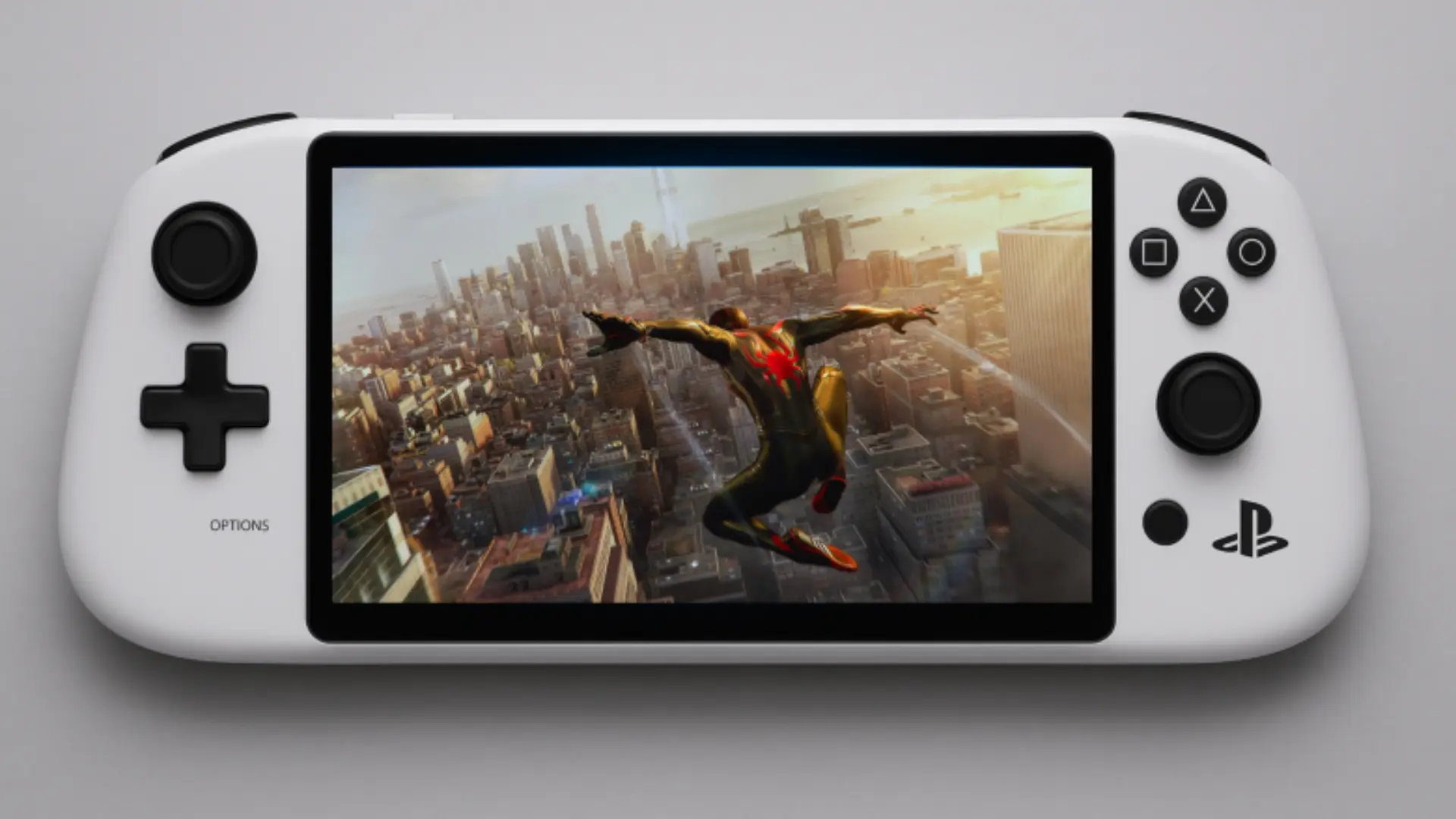
If these reports hold, Sony is aiming to pair PS6 with a true portable that keeps 60 fps sacred, leans on AMD’s newest CPU/GPU cores, and uses dynamic resolution to fit flagship franchises into a ~15 W envelope. The strategy makes sense: unify the platform, expand play contexts (sofa to subway), and let developers ship once with multiple power profiles. It’s smart, it’s ambitious—and until Sony confirms it, it’s still a rumor. For now, watch the “low-power/60 fps” push on PS5 games: that might be the biggest tell that a dockable, native-play PlayStation is real.
Sources & Further Reading
- The Game Post on Canis specs, docked boost, and native play.
- The Game Post on Sony nudging 60-fps low-power profiles.
- Notebookcheck recap of MLID’s “keep 60 fps, lower res” claim.
- PlayStation Universe summary of “Trojan horse” low-power push.
- TechRadar overview of handheld leak (Zen 6c + RDNA 5, dock).
- Tom’s Guide on PS6 Orion performance rumors and 2027 window.
- TechSpot on Orion APU (RDNA 5 + Zen 6) for PS6.
- Overclock3D and others on Canis CPU/GPU and power targets.
- TweakTown’s round-up on PS6 AMD APU codenames and goals.
- Tom’s Guide on AMD powering PS6, handheld, and next Xbox.